Nora has extensively covered local public health and environmental issues, from the city of Cleveland’s lead crisis to air quality concerns in marginalized neighborhoods. You can read some of her reporting below.
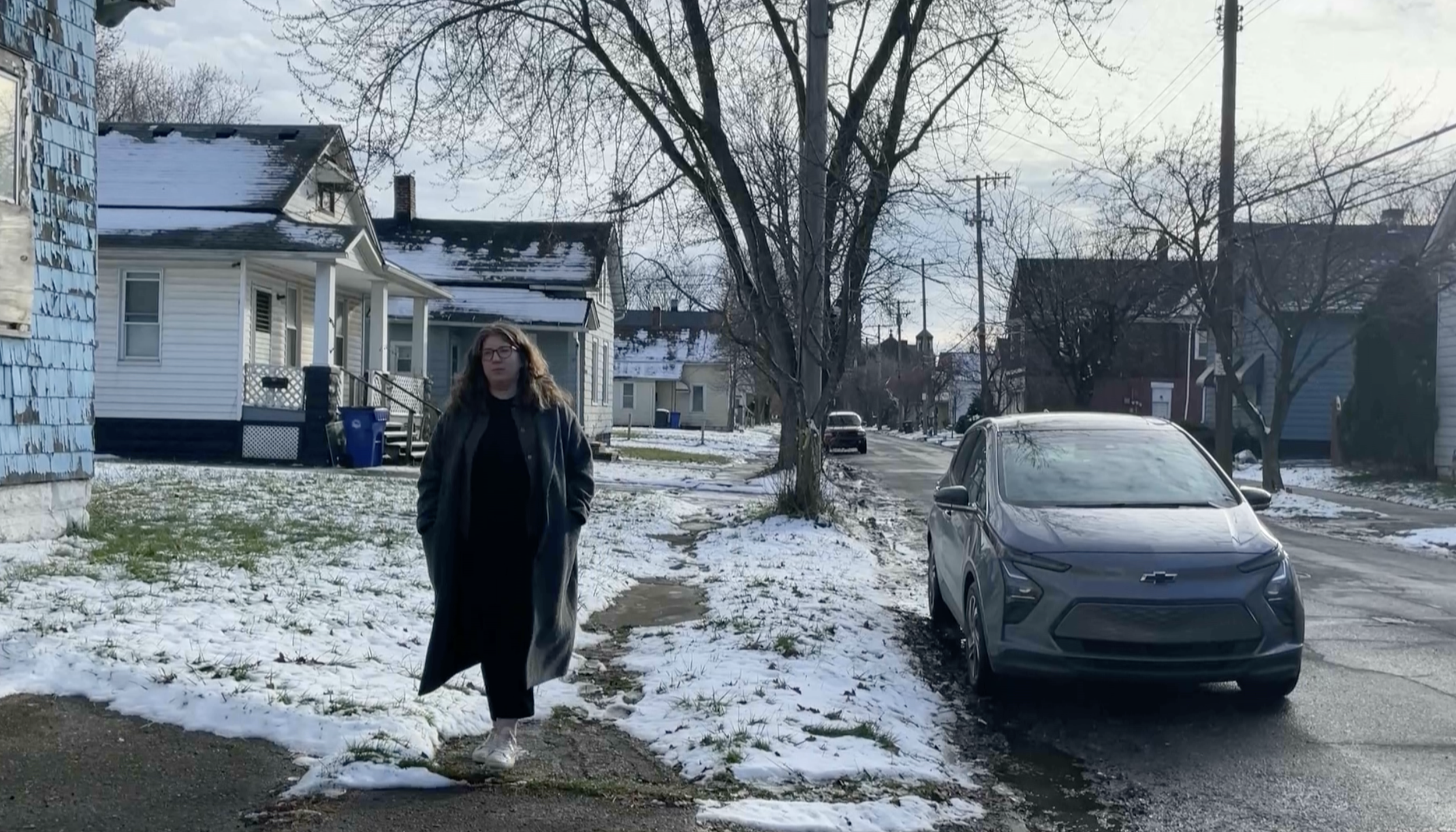
Cleveland’s plan to address the lead crisis
The Cleveland city council passed legislation that requires landlords to get their properties “lead safe certified” every two years, but data shows a shrinking number of properties are participating. Nora digs into how the city got here and what the next steps are.
Cleveland’s lead poisoning rates remain high despite legislative efforts to address crisis
City leaders have spent years working to address Cleveland’s lead crisis through legislation and executive orders. Regardless, the rate of lead poisoning has hovered around 20% since 2019.
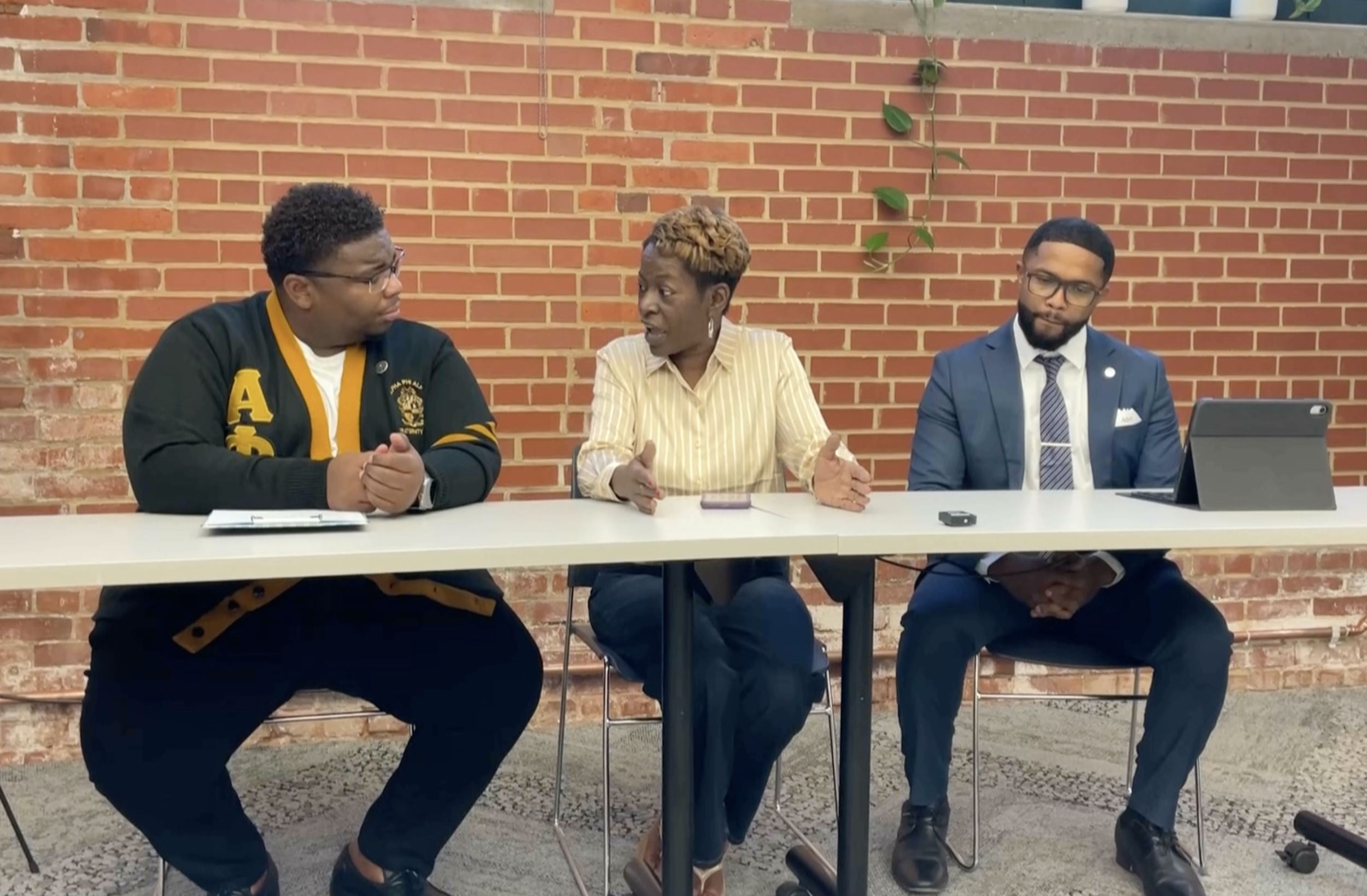
Those impacted by lead poisoning aim to make a difference
In 1999, Robin Brown founded Collective Citizens Organized Against Lead (CCOAL) after her daughter got lead poisoning from their home. She now distributes information to her neighbors, advocates for better protections against lead and provides a place for parents to turn when their child is poisoned.
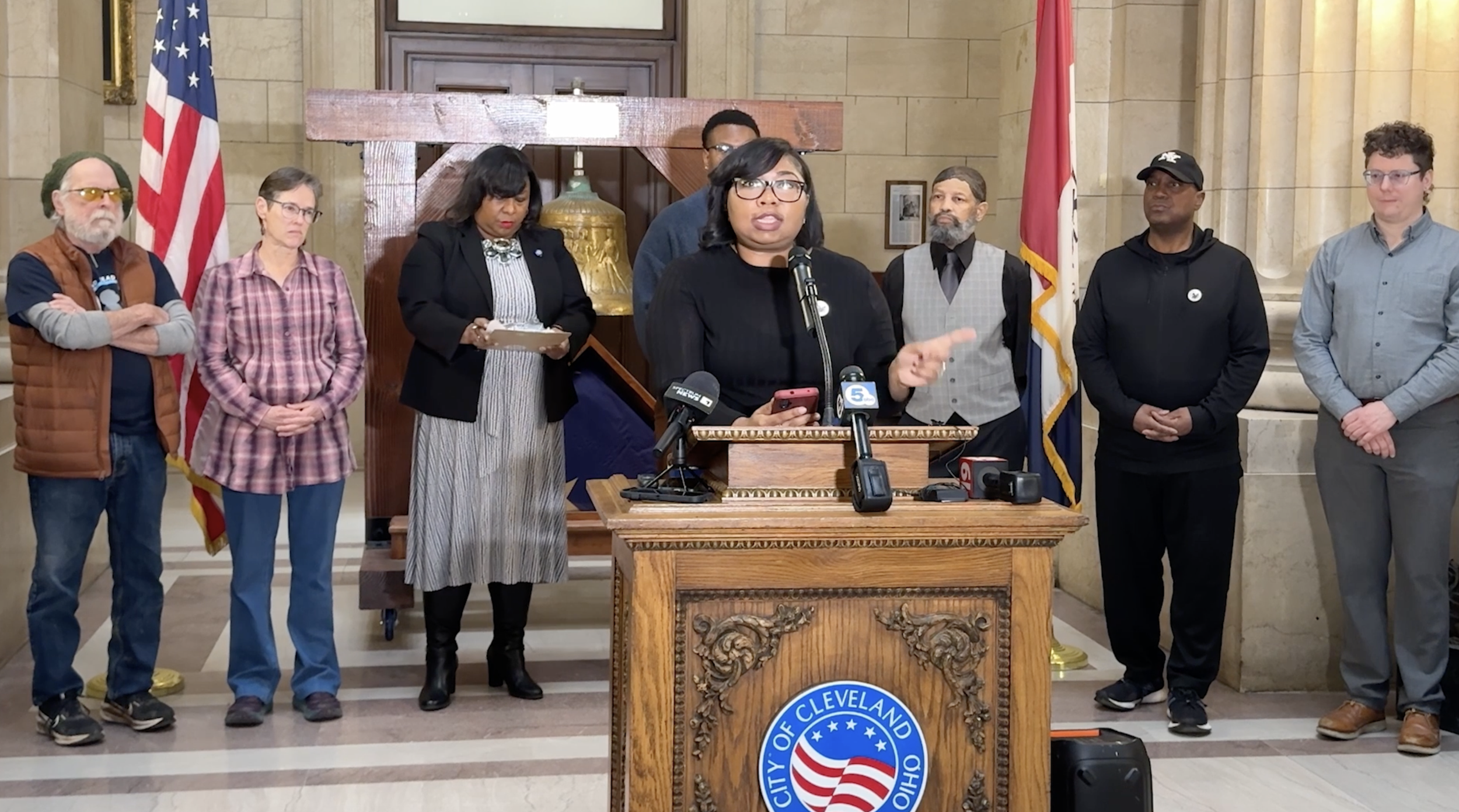
Advocates call on city leaders to do more to protect families
Lead safety advocates respond to the city’s failure to spend $3 million for lead remediation before a deadline because of self-imposed restrictions on spending.
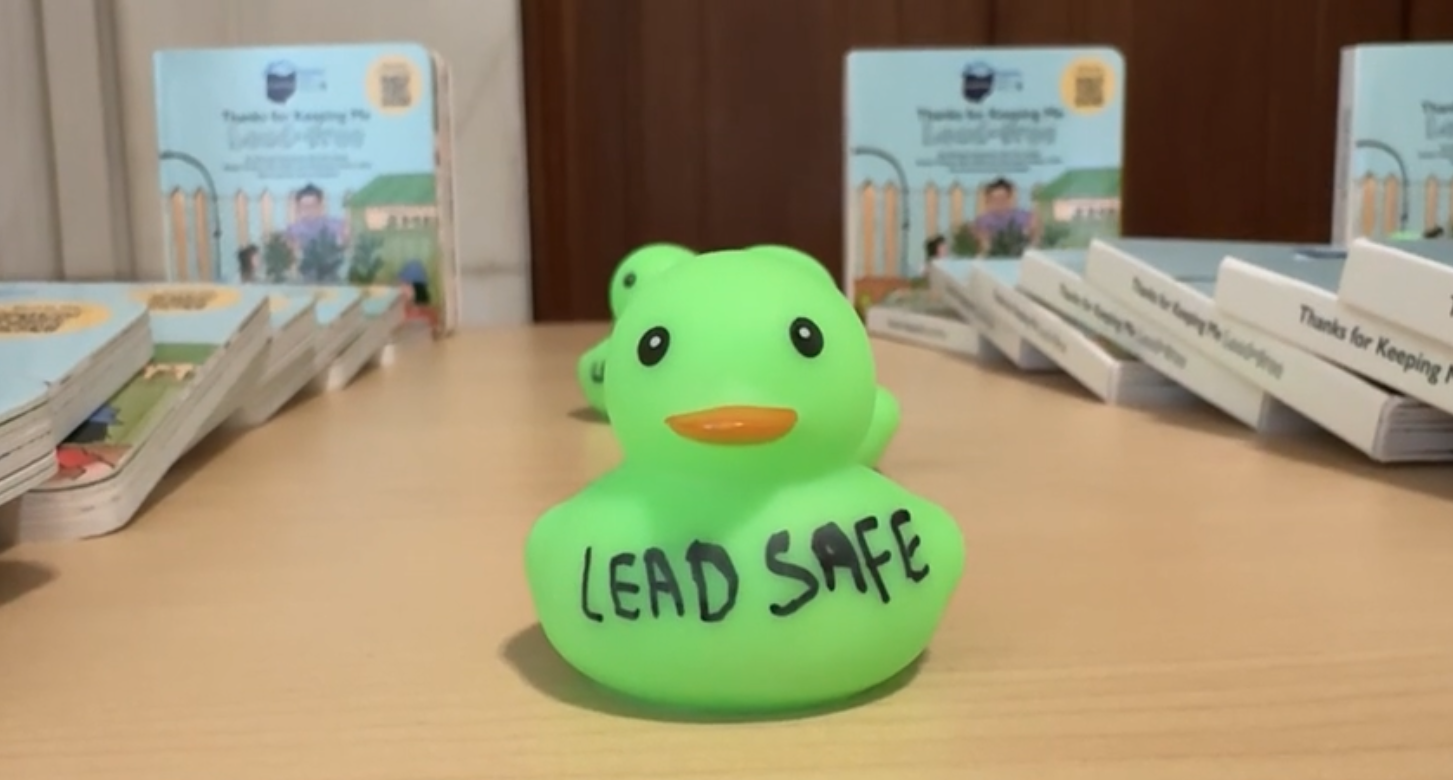
Cleveland at risk of losing millions for lead abatement
The city of Cleveland is at risk of losing out on nearly $12 million from the U.S. Department of Housing and Urban Development (HUD) that could have been used to protect residents against lead poisoning.
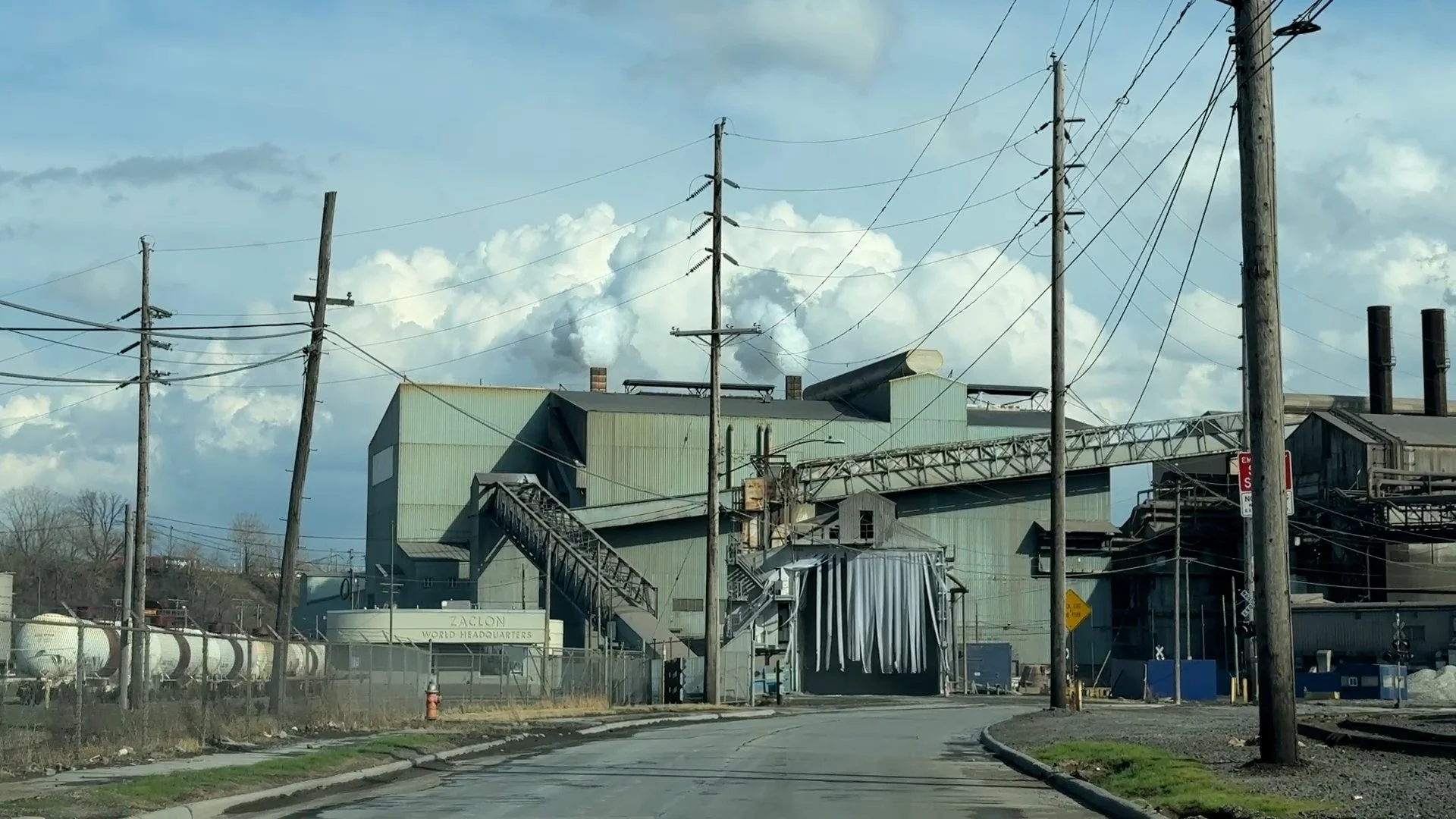
Residents in Cleveland’s “Industrial Valley” raise concerns over air quality
According to the CDC, the national average for childhood asthma rates is roughly 8%, but data from Cleveland’s Department of Public Health shows nearly one in four kids in the Industrial Valley suffer from the condition.